Peanut Protocol

Peanut Protocol

Borderless Payments & Local Cash-Out Rails (2023)

Design EngineerReactFintech UXCross-border
Client: Peanut.toYear: 2023
01

The Remittance Trap

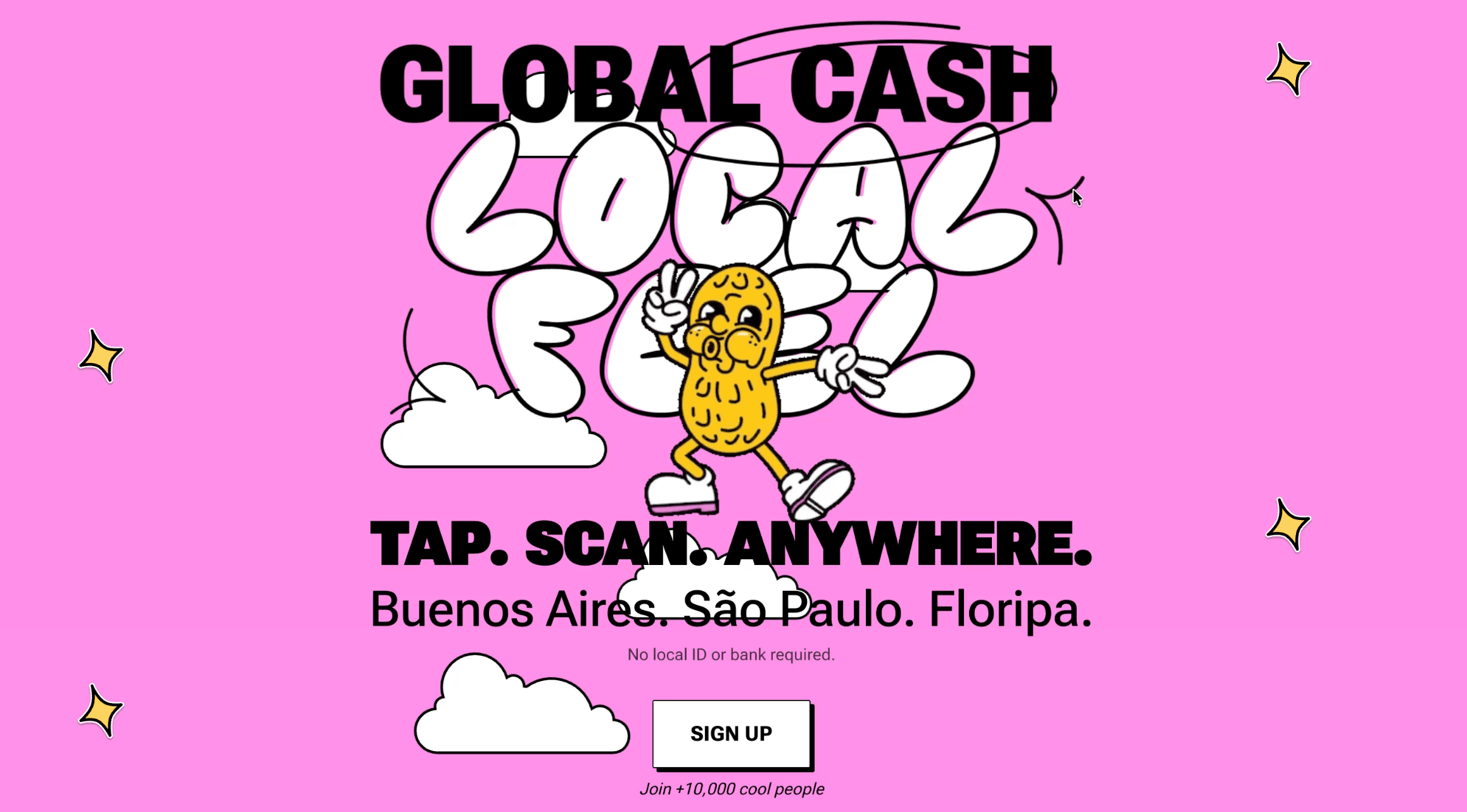
Zero transfer fees, global cash, local feel

Traditional cross-border payments are plagued by high remittance fees and localized friction. In Web3, the friction is even worse: copy-pasting 42-character hexadecimal wallet addresses. As a Design Engineer at Peanut Protocol, my objective was to abstract the wallet address completely out of the user experience and turn crypto payments into shareable web links, enabling zero-fee cross-border transfers with local cash-out options.

  • Role: Design Engineer (#3 Employee)
  • The Problem: High remittance fees and Web3 wallet address friction.
  • The Solution: Generate claim links (Global Cash) that connect to local payment rails (Local Feel).
  • The Goal: Enable zero-fee transfers to Argentina (MercadoPago), Brazil (Pix), and beyond.
02

The Link as an API

Encapsulating smart contracts in a URL

The core mechanism was deceptively simple but technically dense. The sender deposited stablecoins into a smart contract, generating a cryptographic password appended to a URL. The receiver clicked the URL, the dApp read the password, and the smart contract released the funds. My job was to make this complex handshake feel like a single button click—'Tap. Scan. Anywhere.'—while abstracting the cross-chain routing entirely.

  • Smart Contract Abstraction: Hidden entirely behind a familiar 'Send' and 'Claim' button UI.
  • Cross-Chain Sync: Supported multiple networks without forcing manual network switches in the wallet.
  • Local Cash-Out: Integrated with local payment APIs (MercadoPago, Pix) to bridge Web3 to local fiat.
03

Building the Control Center

Engineering the sender's dashboard

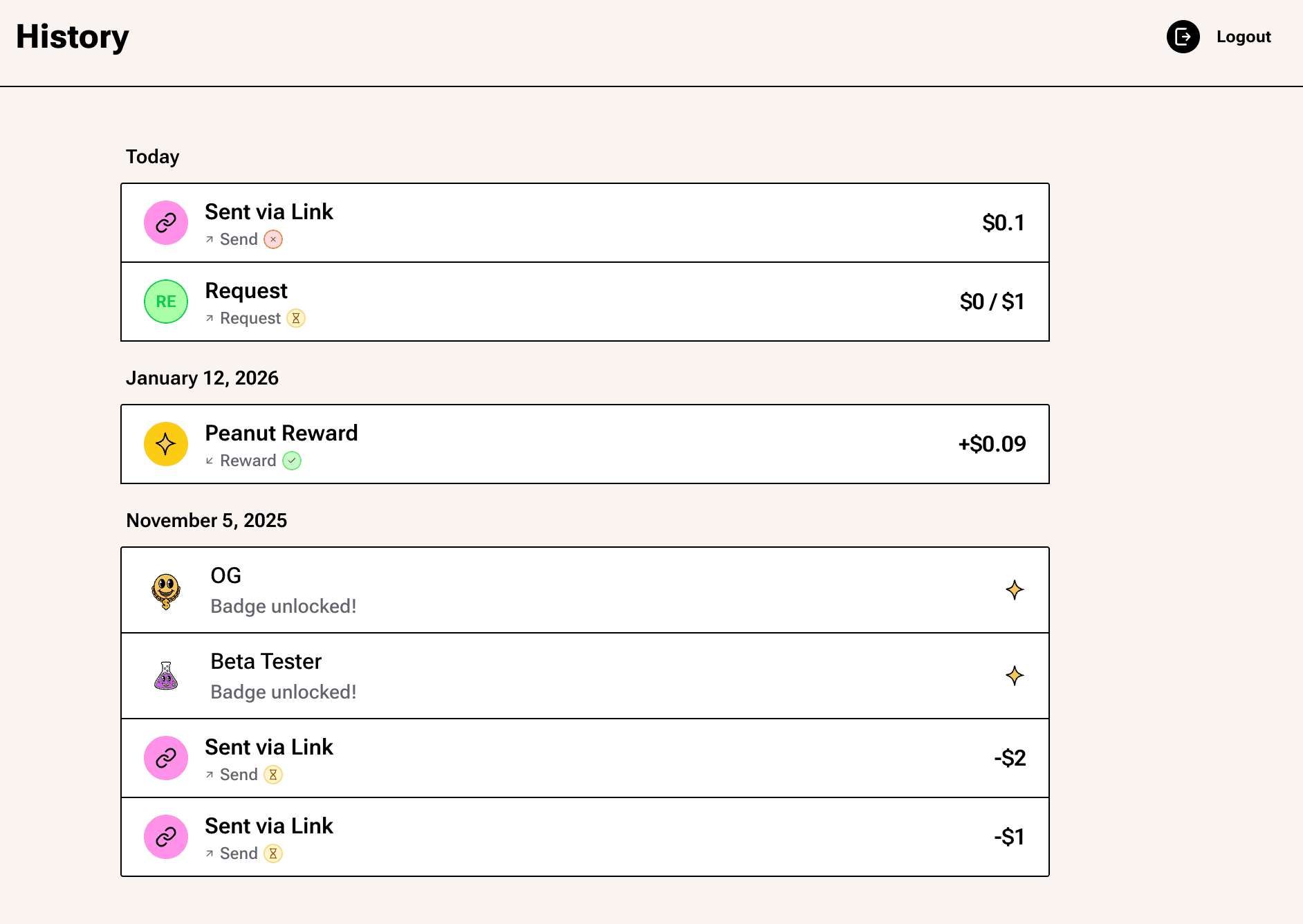
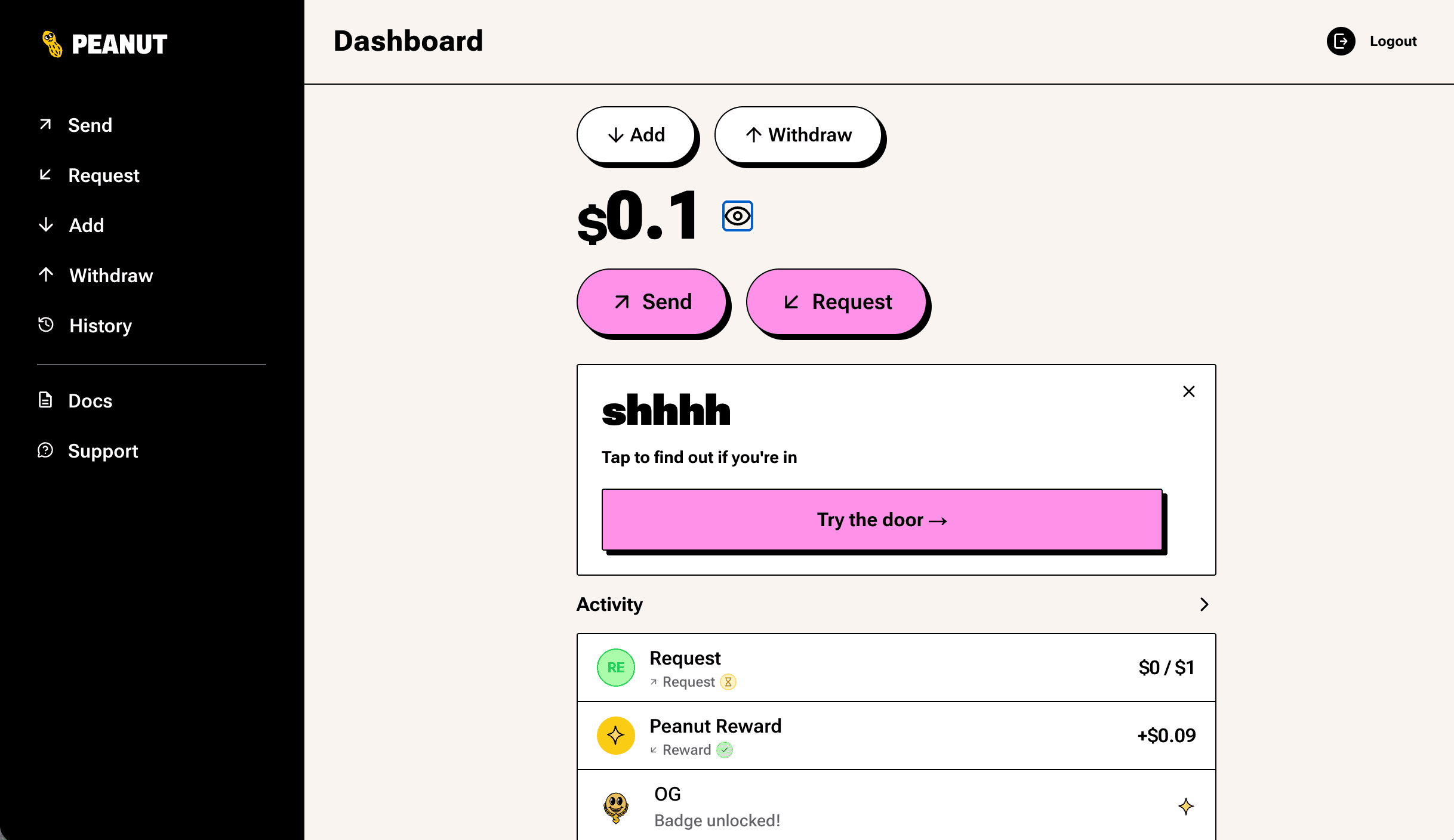
A link-based payment system is useless if the sender can't track their international transfers. I designed and coded the main dashboard in React. I collaborated directly with the founding engineer (Hugo Montenegro) to integrate the Peanut API for authentication and currency swaps. The dashboard allowed users to see which links were claimed, which were pending, and revoke expired links, turning a simple smart contract script into a usable fintech platform.

  • Frontend Build: Developed the React frontend, handling complex state management for pending and claimed transactions.
  • API Integration: Worked directly with the founding engineer to wire up authentication and automated currency swaps.
  • User Control: Designed a tracking dashboard so senders could manage and revoke active payment links.
Project image 1
Project image 2